
Vespa velutina
The Asian Hornet
Watch or read
Watch my talk at the National Honey Show in October 2024, or buy my book Fit2Fight from Amazon or Northern Bee Books.
A threat to bees, biodiversity and people
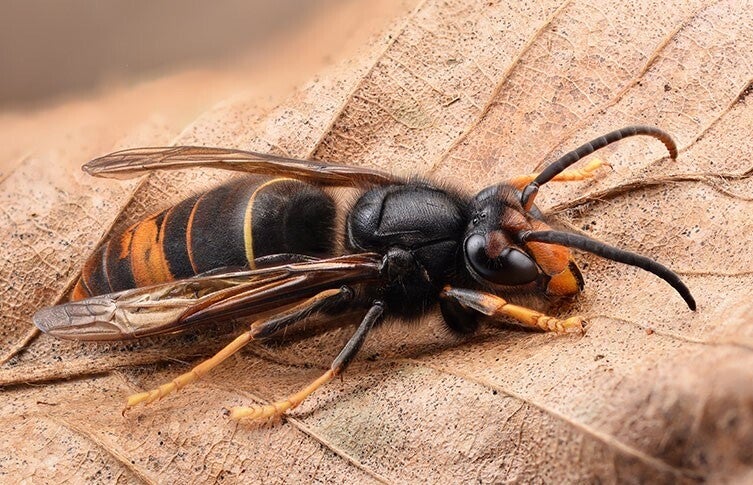
This highly invasive species is an apex predator that feeds voraciously on all insects. It is a ferocious hunter and is a threat to biodiversity in any area where it is established. The Asian Hornet is a serious menace to our bees and can wipe out a whole colony of honey bees in a few days. An average nest consumes about 11kg of insects in a season.
They are a serious danger to the public. Whilst they are relatively harmless when they’re out and about, they defend their huge nests fiercely, attacking in numbers anyone who disturbs the nest or approaches it within 5 metres.
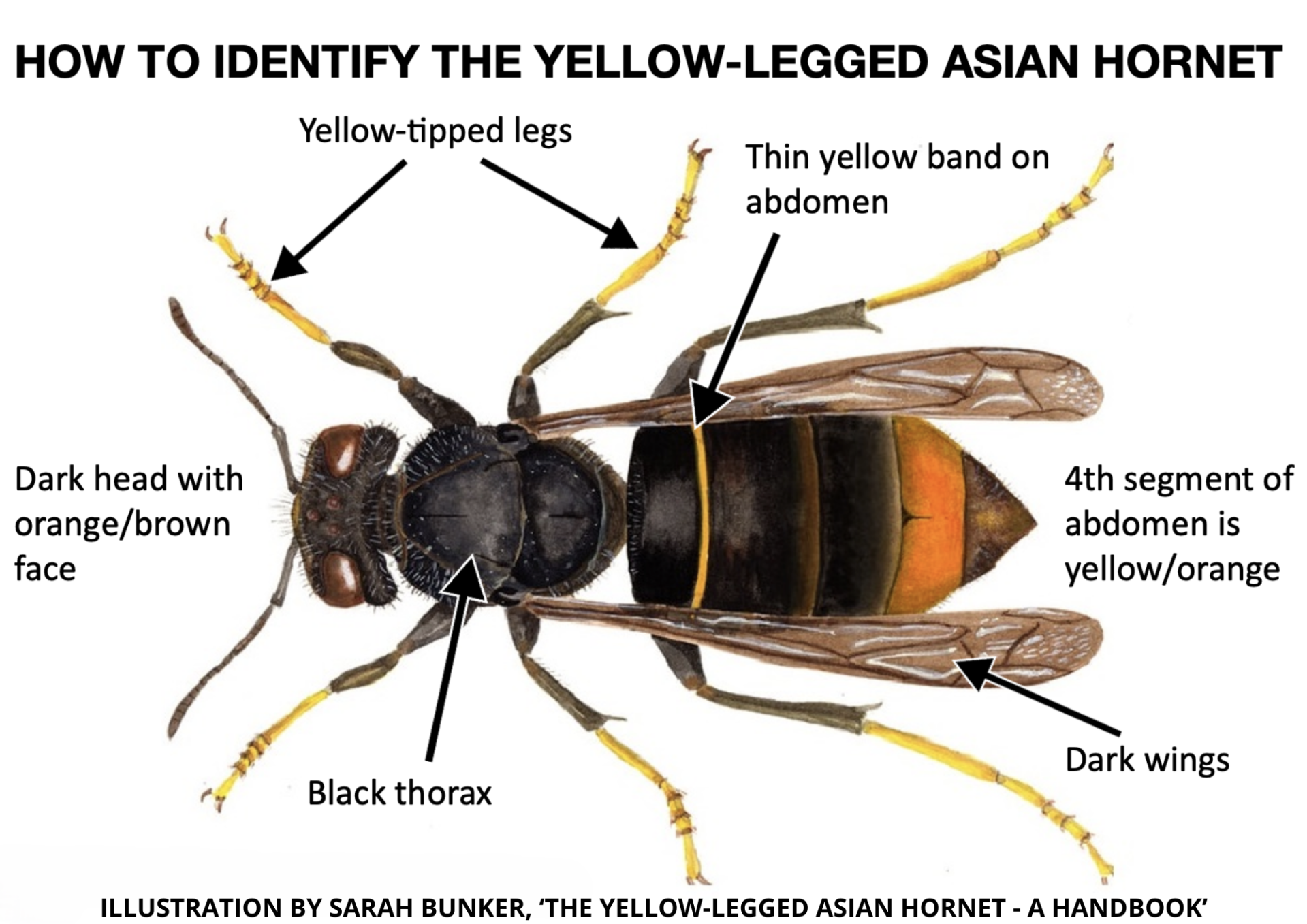
Identification
What to look for
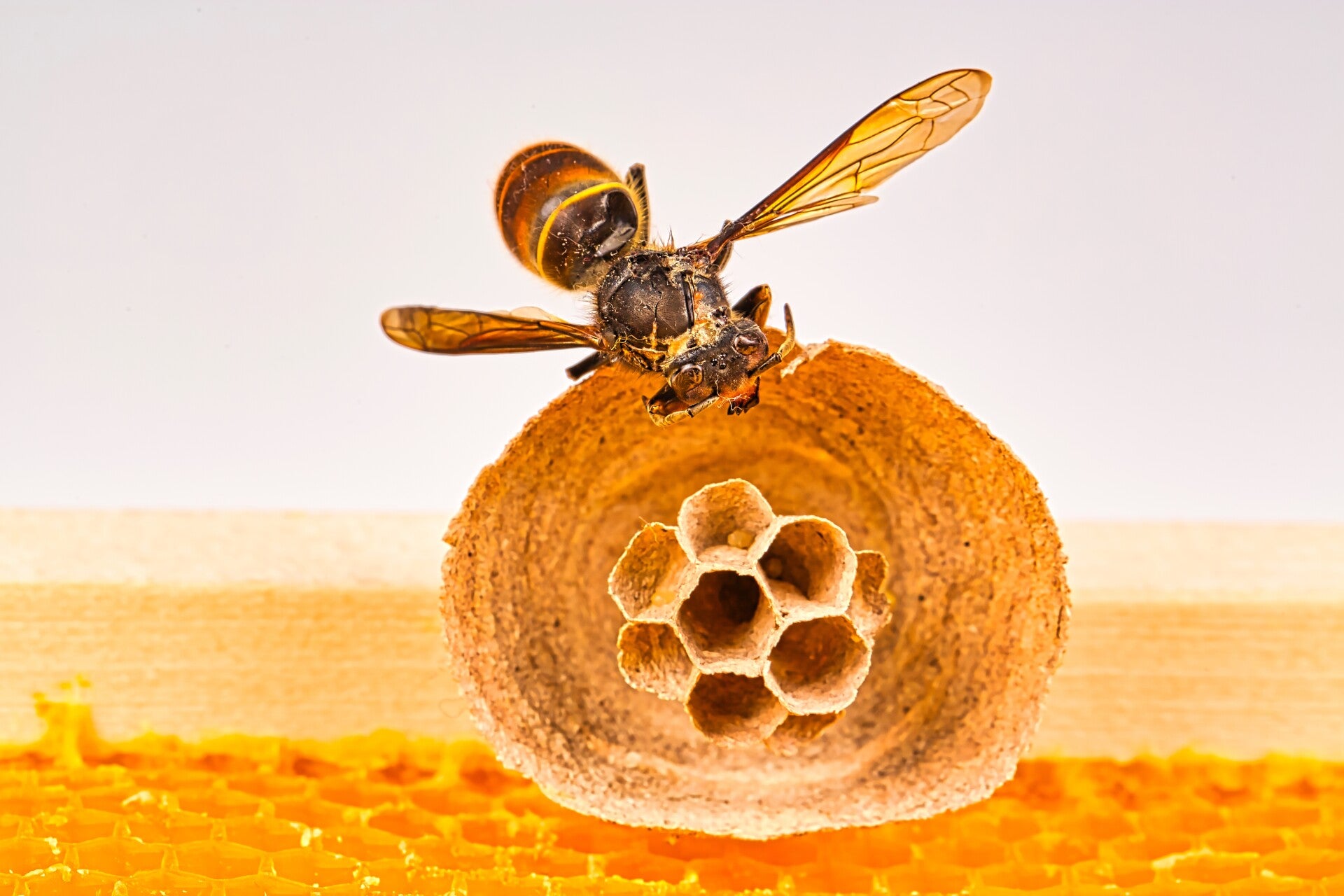
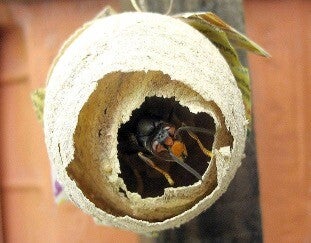
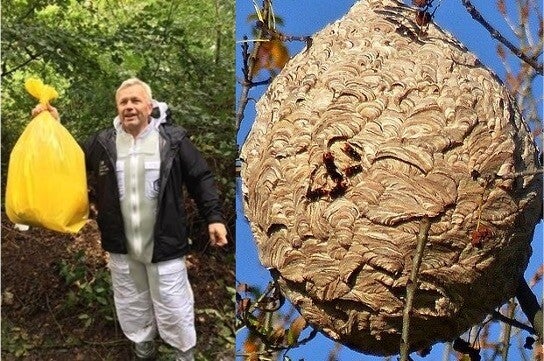
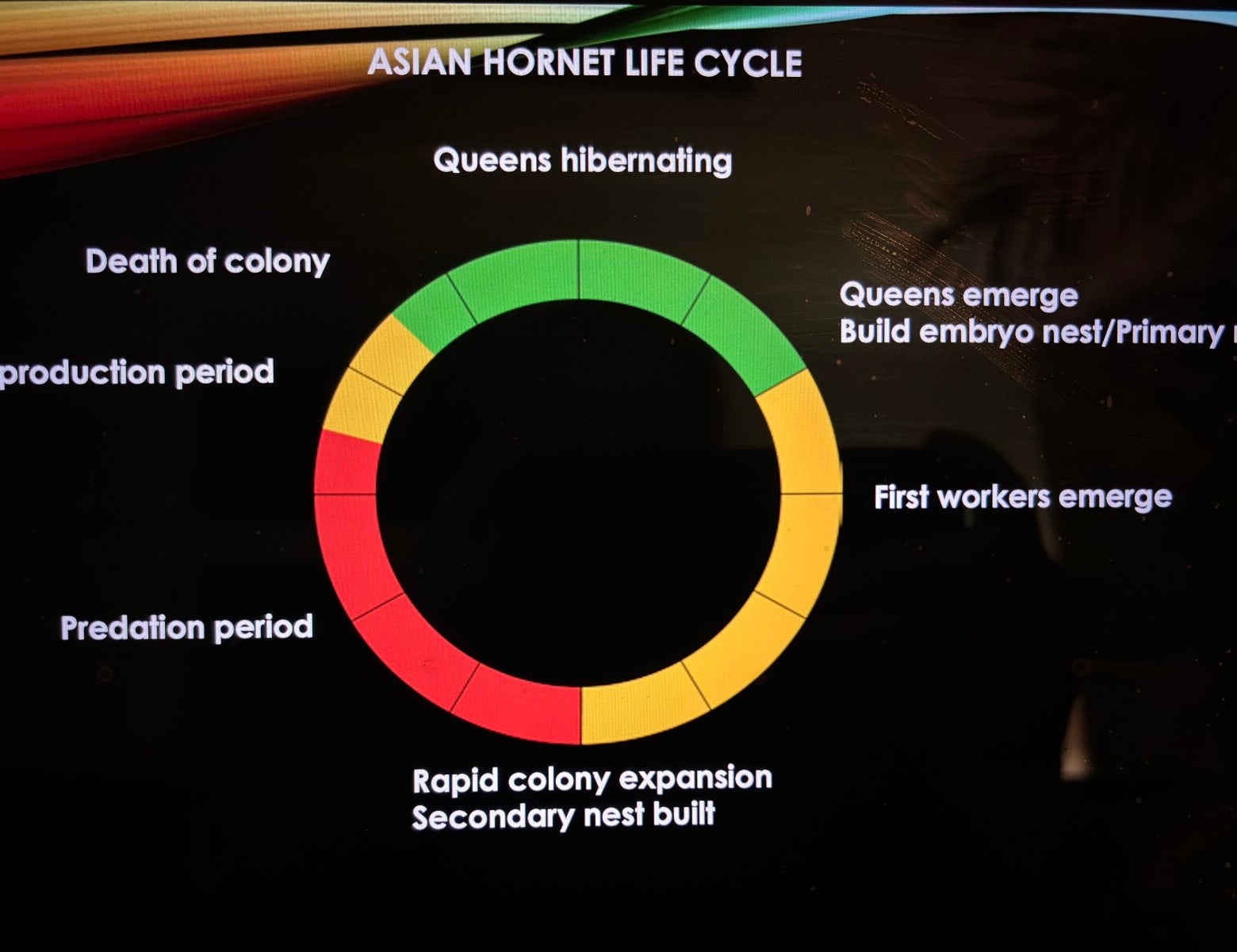
Download
The Hampshire Plan
The Hampshire Beekeepers Asian Hornet Contingency Plan (the Hampshire Plan) can be downloaded here: HBA Asian Hornet Contingency Plan, version 8 (PDF).
BBKA
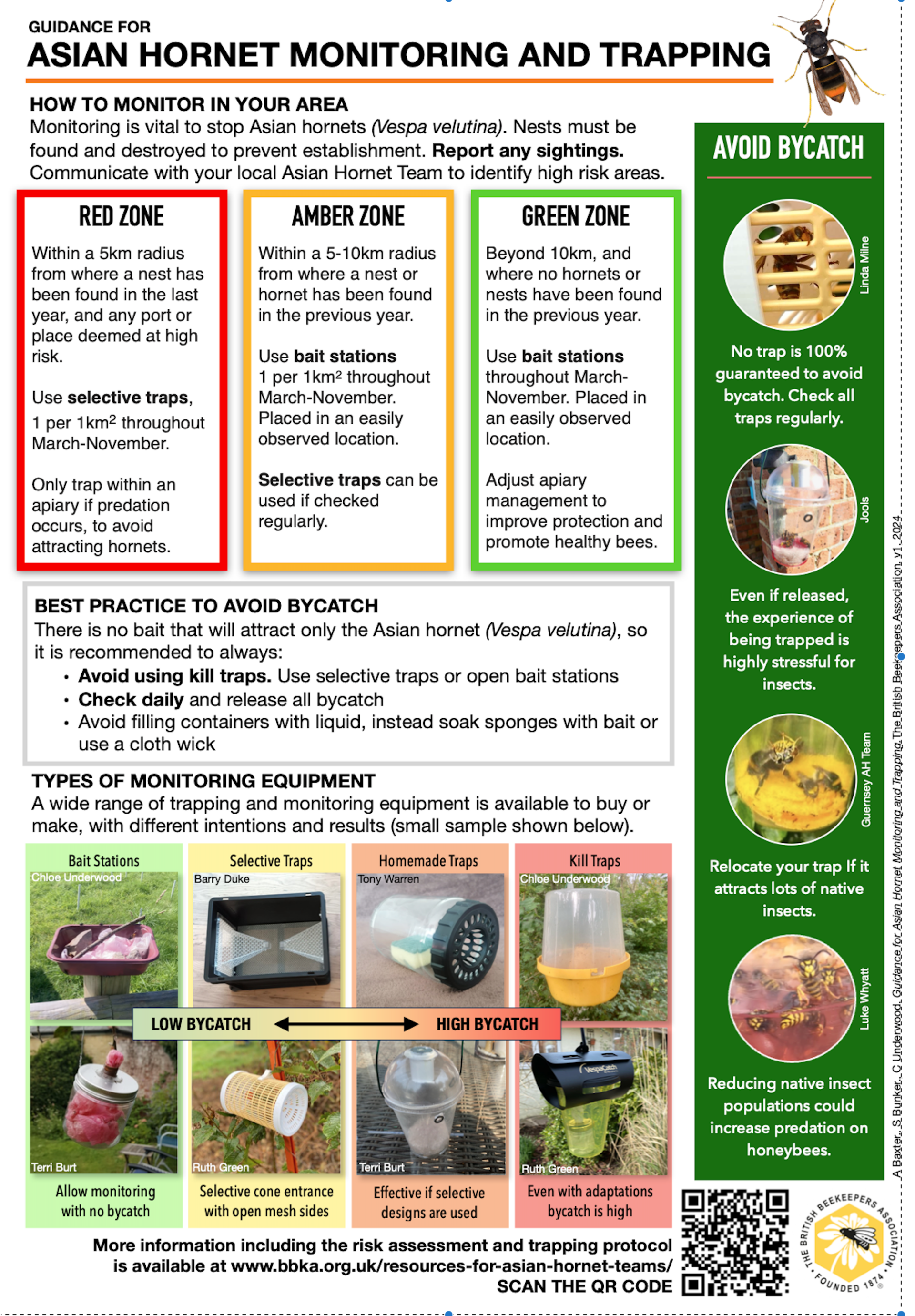
Latest guidance from BBKA on traps and trapping
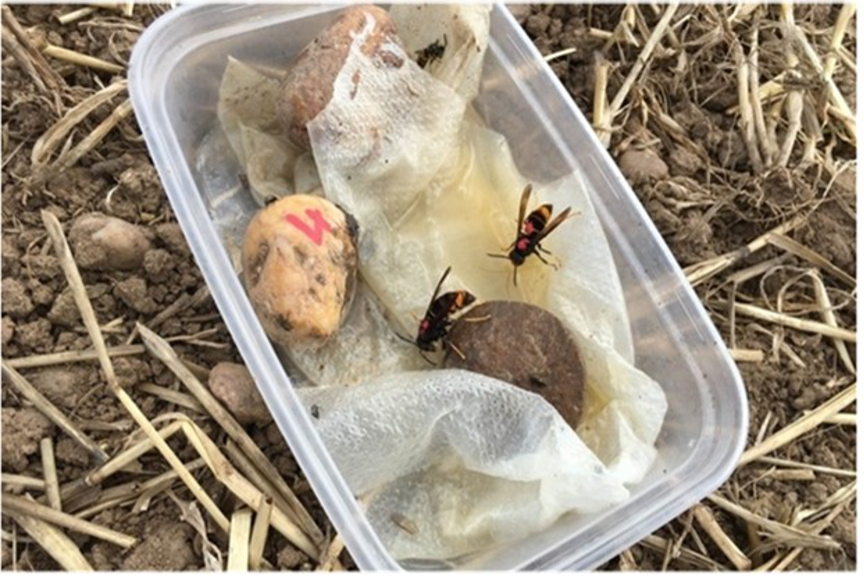
See also the BBKA protocol for spring trapping of Asian hornet queens (PDF).
My book and method
Fit2Fight
The system
Fit2Fight is an Integrated Apiary Management System designed to help beekeepers look after their bees when Asian Hornets are hunting in their apiary.
The second edition of my book Fit2Fight is available from Northern Bee Books.
Are your bees Fit2Fight?
My Fit2Fight trial colonies have performed very well so far this season compared to the control hives. The early spring build up gave a good harvest of spring blossom honey and the summer crop will soon be ready to harvest. New queens have been produced and mated ready for requeening other colonies now, or will overwinter in nucs for introduction next spring.
Once the honey has been extracted they will be treated for varroa using Formic Pro and fed a booster of pollen and sugar syrup to stimulate the queens to lay lots of winter bees. Any colonies that look weak will be merged with stronger ones. Each colony will have at least 20kg of stores going into winter and I have frames of capped stores in reserve ready to distribute among them if required.
We can expect robbing to start any time soon once the summer flow ends so entrances will be reduced to help them defend their precious winter stores against other bees and wasps.

