Uncategorised
-
Be Prepared for Swarming
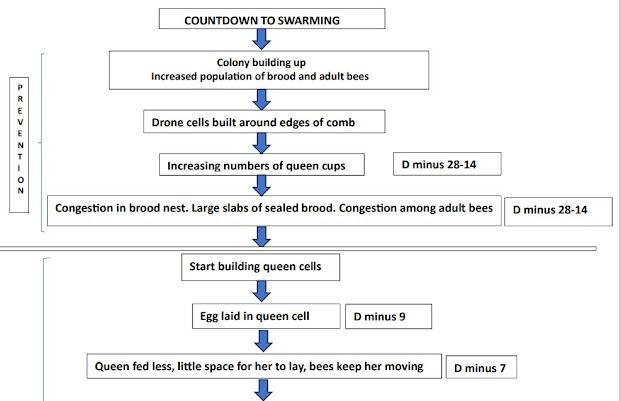
The swarming season has been particularly intense this year due to a long, cool spring followed by a sudden spell of warm weather. Although the worst seems to be over there are still some swarms around and the season is by no means over so there is no room for complacency. In an earlier blog…
-
Chronic Bee Paralysis Virus (CBPV)
There have been two cases of this virus among FDBKA members’ colonies so far this spring/summer, including one of mine. It may be present in low levels in colonies that show no symptoms until put under stress. The disease presents in two forms, both of which can be present at the same time: Type 1…
-
European Foulbrood (EFB) – It Can Happen to Anyone
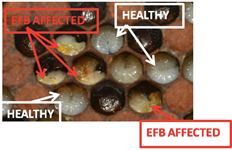
This weekend I was due to go on a Queen Rearing Course at the Devon honey farm of Ken and Dan Basterfield, two of Britain’s most renowned beekeepers. Unfortunately for them they have been struck by an outbreak of EFB in their teaching apiary, forcing them to close until they have the all-clear from the…
-
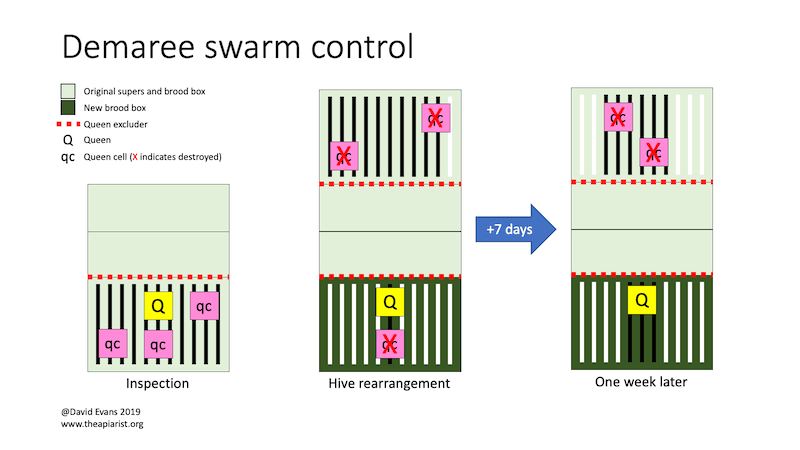
Swarm Prevention or Control – Demaree Method
If you don’t want to increase the number of colonies in your apiary or you’re short of space, this very simple method is the one for you. Remember the principle of swarm prevention is to trick the bees into thinking they’ve swarmed by separating the queen and flying bees from the brood and the nurse…
-
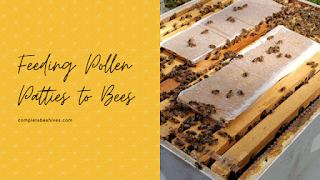
Pollen Patties – To Feed or Not to Feed
There is a lot of controversy about the feeding of pollen in spring. We all want to do the best for our bees, including making sure that, having survived the winter, they don’t succumb to spring starvation. We know there is very little forage available, but we see our bees becoming increasingly active on warmer…
-
Winter Treatment for Varroa
Happy New Year WINTER TREATMENT FOR VARROA Mid-winter is a good time to treat our colonies for varroa as part of an Integrated Pest Management System (IPM). For most of the year Varroa mites live and breed on larvae but in winter, when there is little or no brood, they live and feed on the…