Uncategorised
-
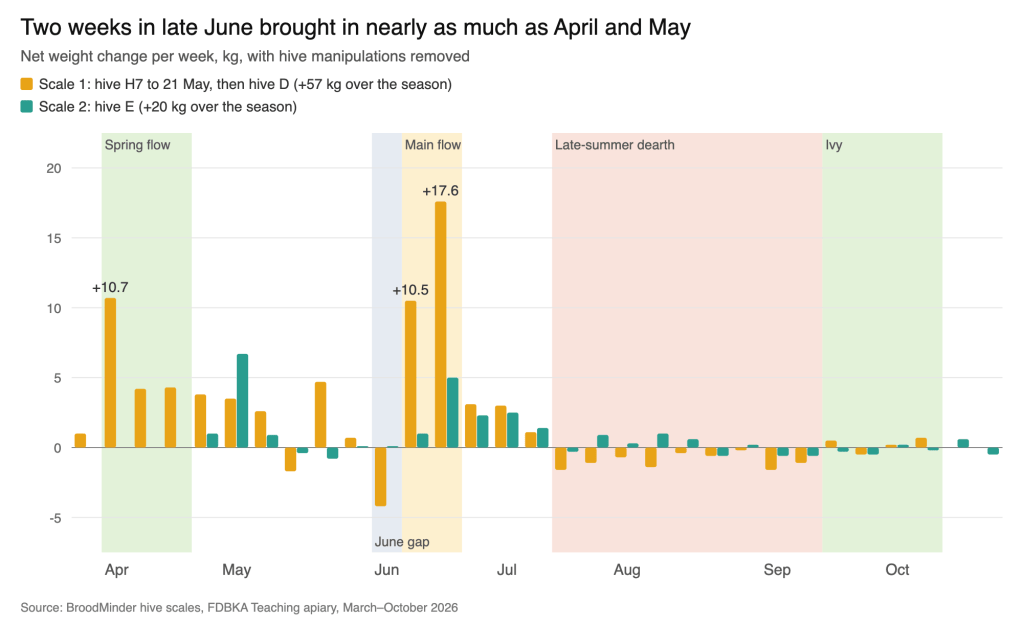
What Hive Sensors and Scales Told Us: Weather and Forage in 2026
A warm, dry year with two good nectar flows and a long late-summer dearth, told through the hive scales, brood sensors and the weather record from my three apiaries.
-
Correction
A correction to my Queen Trapping blog about the effect of oxalic acid on open brood.
-
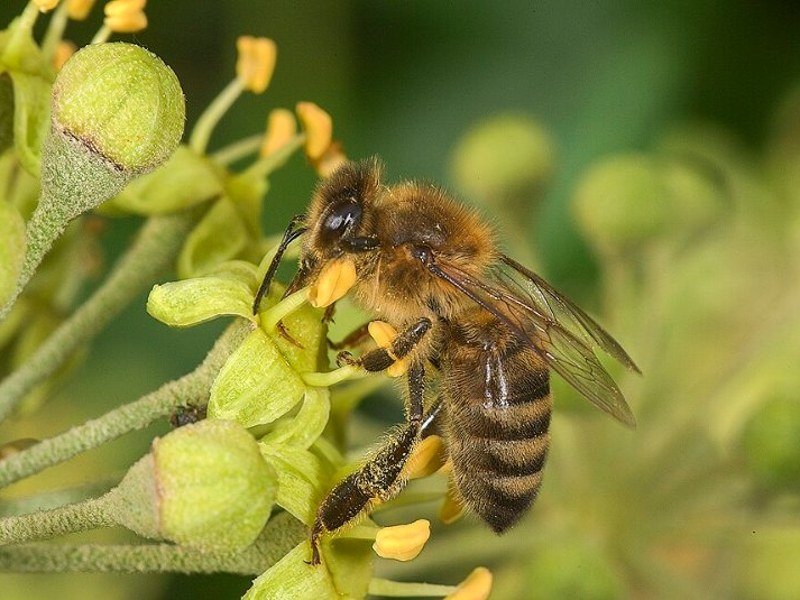
Supporting Pollinators on the South Coast of England, Season by Season
What you can do to help bees and other pollinators through the year on the south coast, with plants to grow in every season.
-
Turning Beginners into Members
How Fareham & District BKA turns beginners into active members: a warm welcome, a teaching apiary, mentoring and good communication.
-
A Bee Maid’s Tale Part II
It’s me again and I have to tell you I’ve been a bit sad lately. We’re saying goodbye to the summer shift who have worked their tarsomeres off feeding the babies and stocking up the larder for us for the winter. But to be honeyest, I wasn’t sorry to kick out the last of the…
-
Climate Change May Be Putting Honey Bee Colonies at Greater Risk of Winter Failure
Introduction In summer, worker bees typically live for about six weeks. In winter, however, they need to survive for six months or more. A colony therefore depends on producing enough healthy winter bees to carry it through the cold months. Yet winter bees are the daughters of the same queen as summer bees, so what…
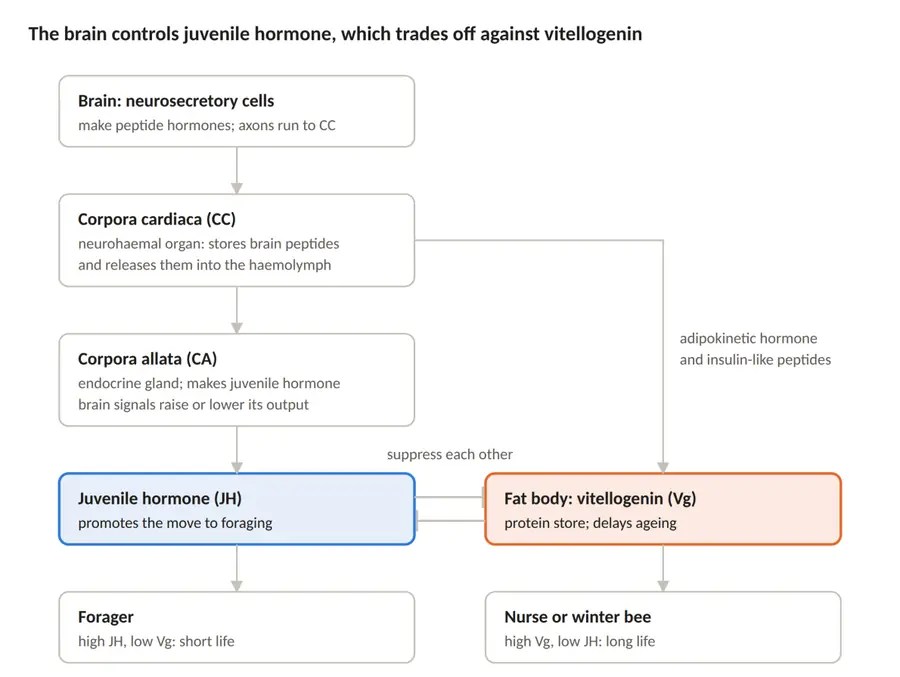
-
Bigger Eggs, Bigger Queens? How the Queen Chooses Her Successor
One question that has often been in my mind when rearing new queens is whether the eggs or young larvae selected by the bees are better than the ones selected by the beekeeper. I’ve long suspected this to be the case, and used it as an excuse when the products of my grafts have failed…
-
A Bee-Maid’s Tale
There’s been a lot of discussion in scientific circles about whether animals are sentient beings. Most recently, The New York Declaration of 2024 states; ….. there is strong scientific support for attributions of conscious experience to other mammals and to birds. …the empirical evidence indicates at least a realistic possibility of conscious experience in all…
-
Chronic Bee Paralysis Virus (CBPV) – Field Case and Current Evidence
This article combines a field case study with a summary of current evidence on Chronic Bee Paralysis Virus. It begins with the signs observed in one Hampshire colony, then reviews distribution, pathogenesis, transmission, risk factors, management options, and the later decision to euthanize the colony after recurrence. In June 2023, while inspecting one of my…
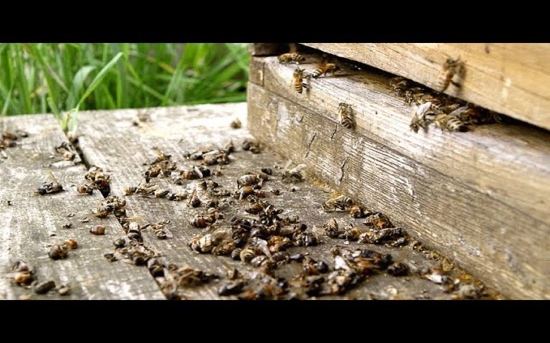
-
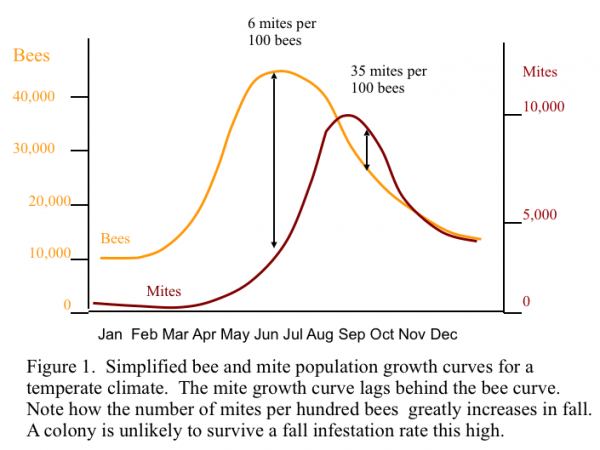
Varroa – The Number One Cause of Winter Losses
Varroa infestation, and the effects of the viruses transmitted, are the main causes of winter losses and must be treated at the right times of the year: get the timing wrong and the winter bees which are essential for the survival of the colony, will be compromised. (Martin S J 2001)4 Mite infestations during August…